



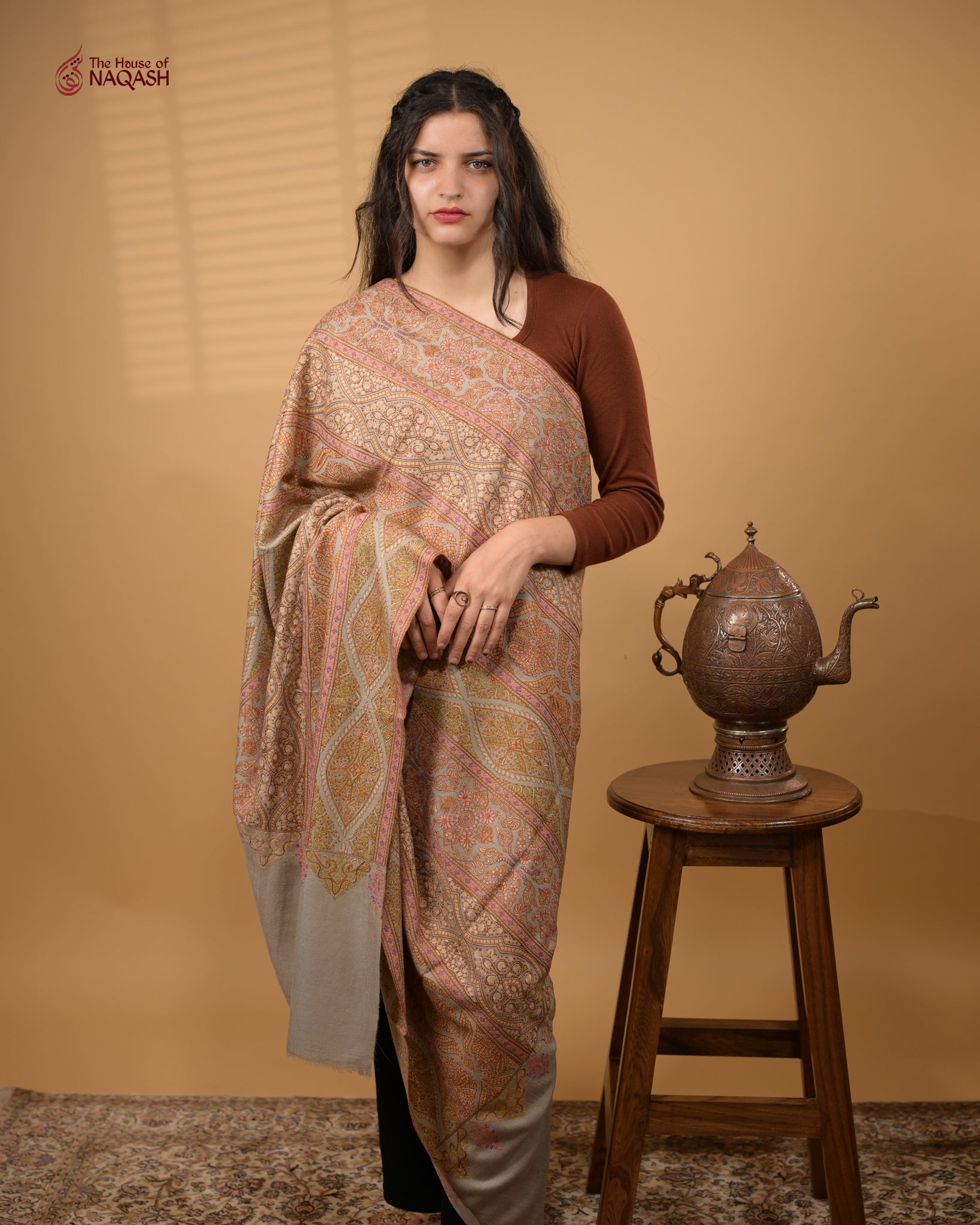
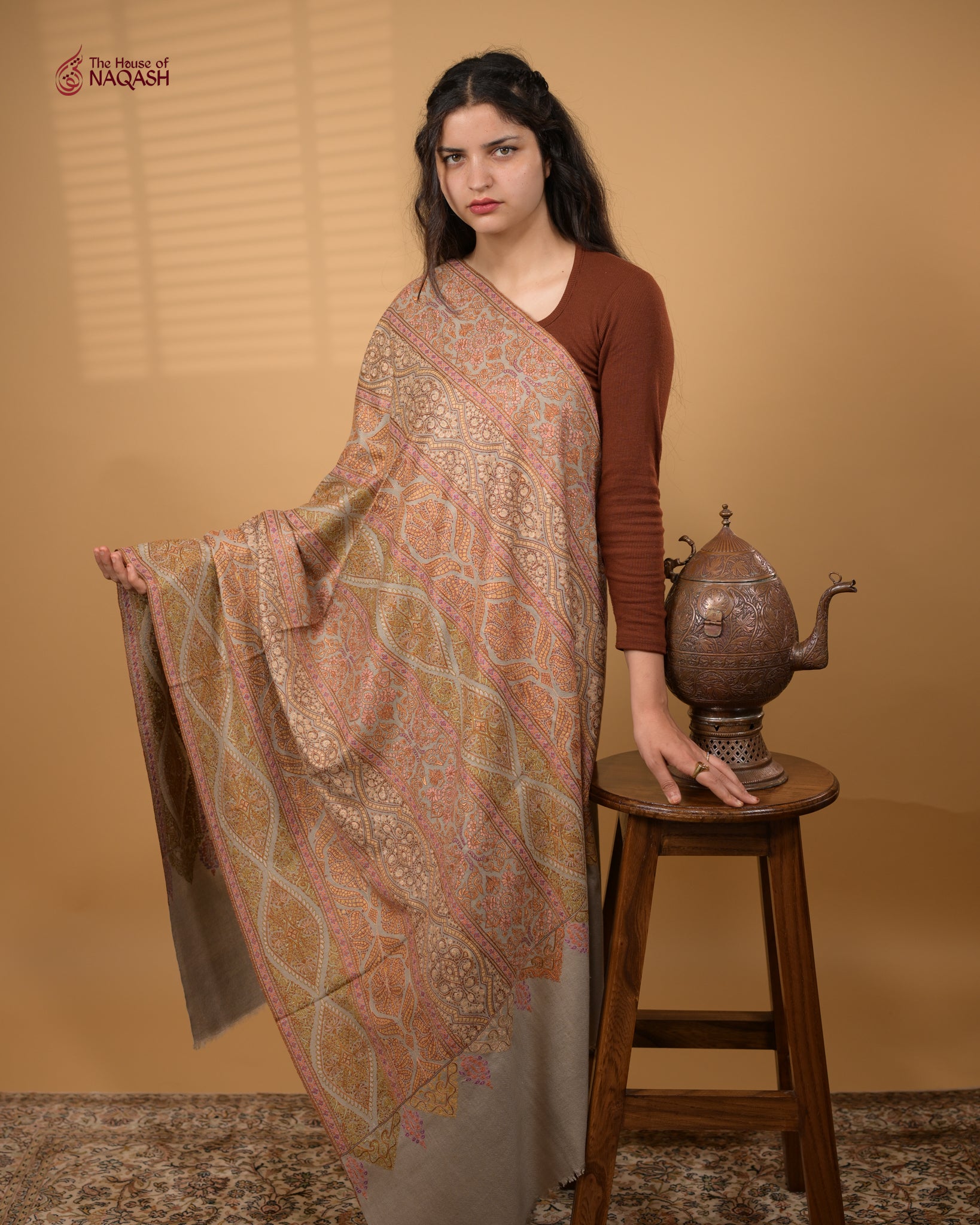
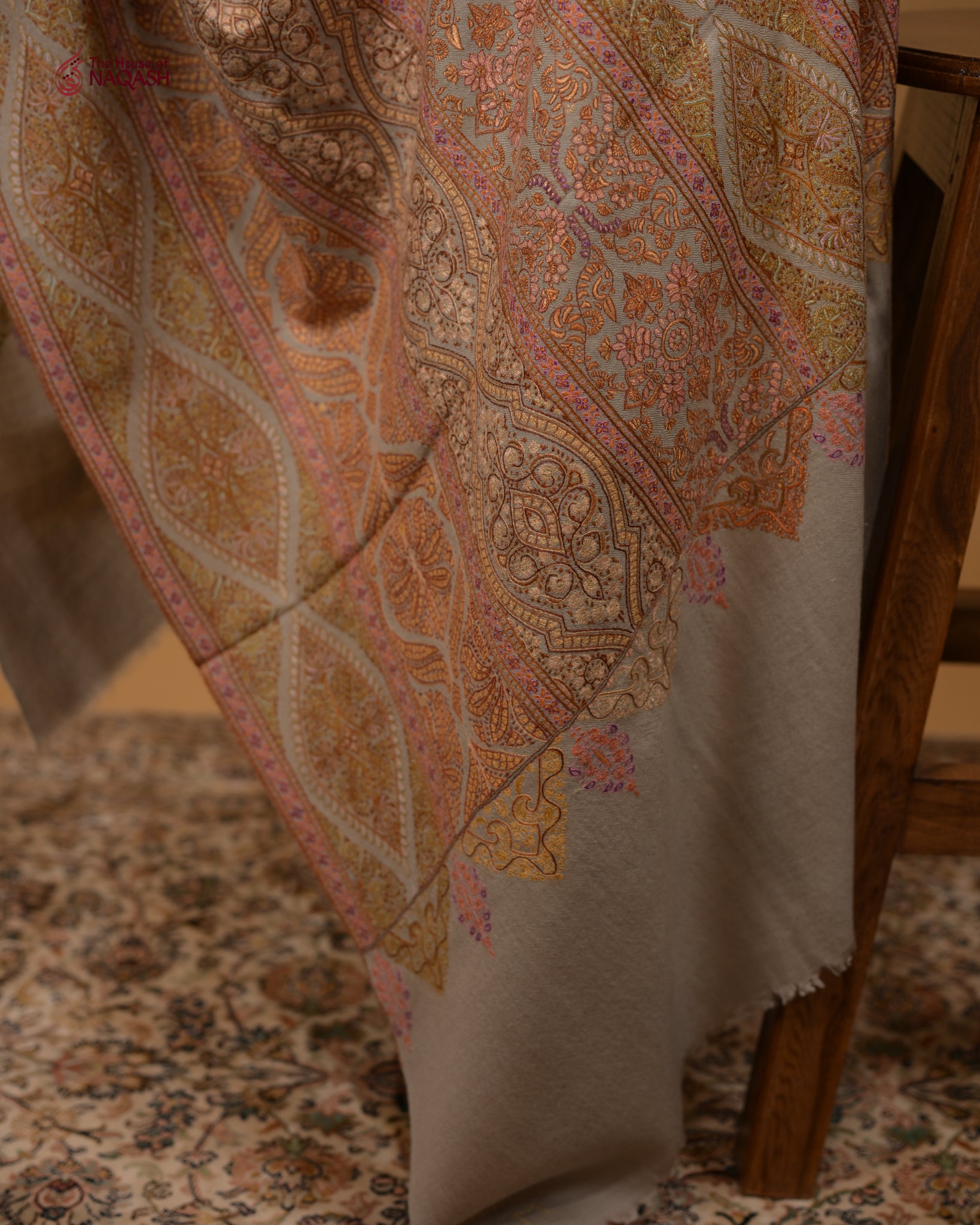
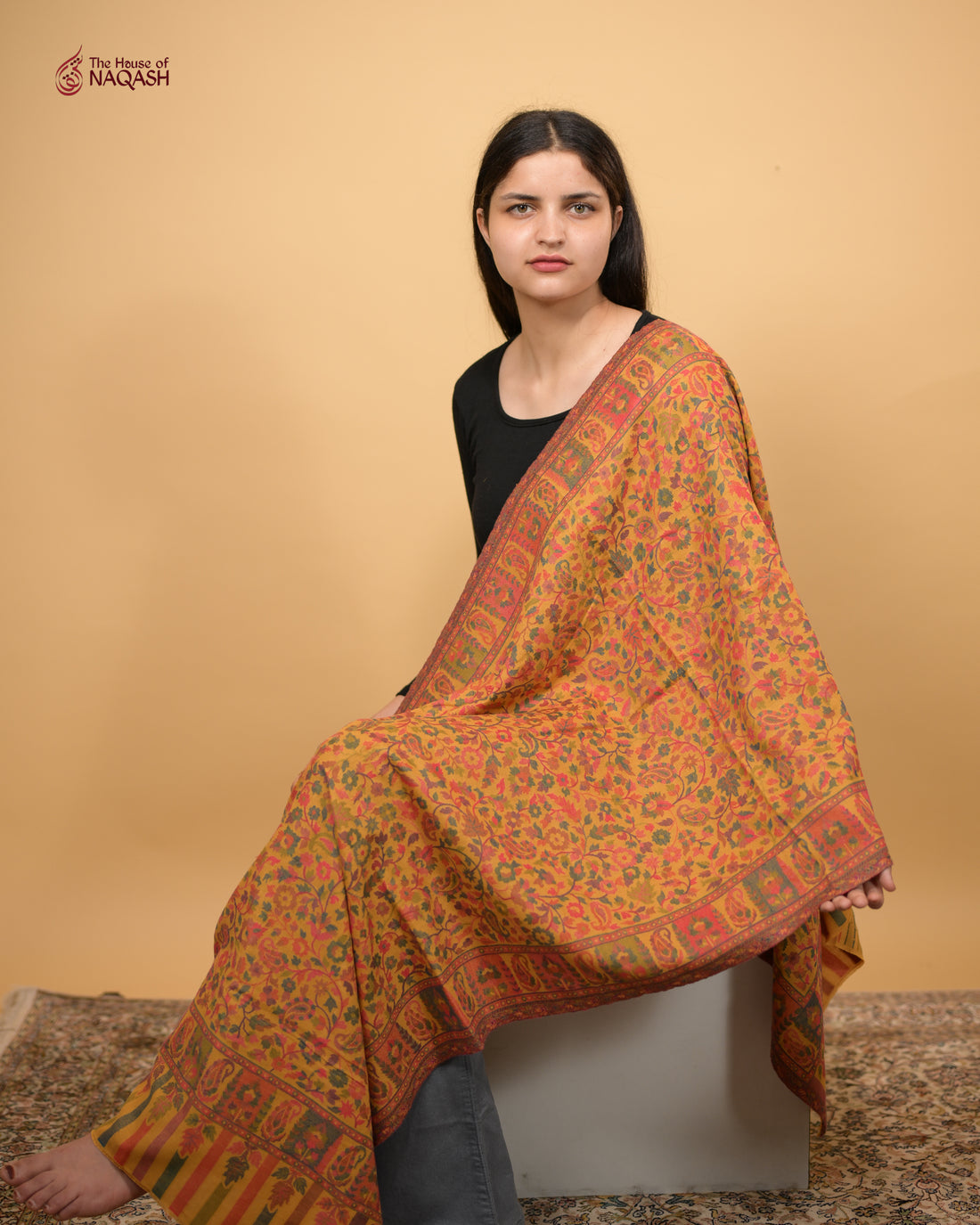
Moonlit Gray Hand Embroidered Jamawar GI Pashmina Shawl
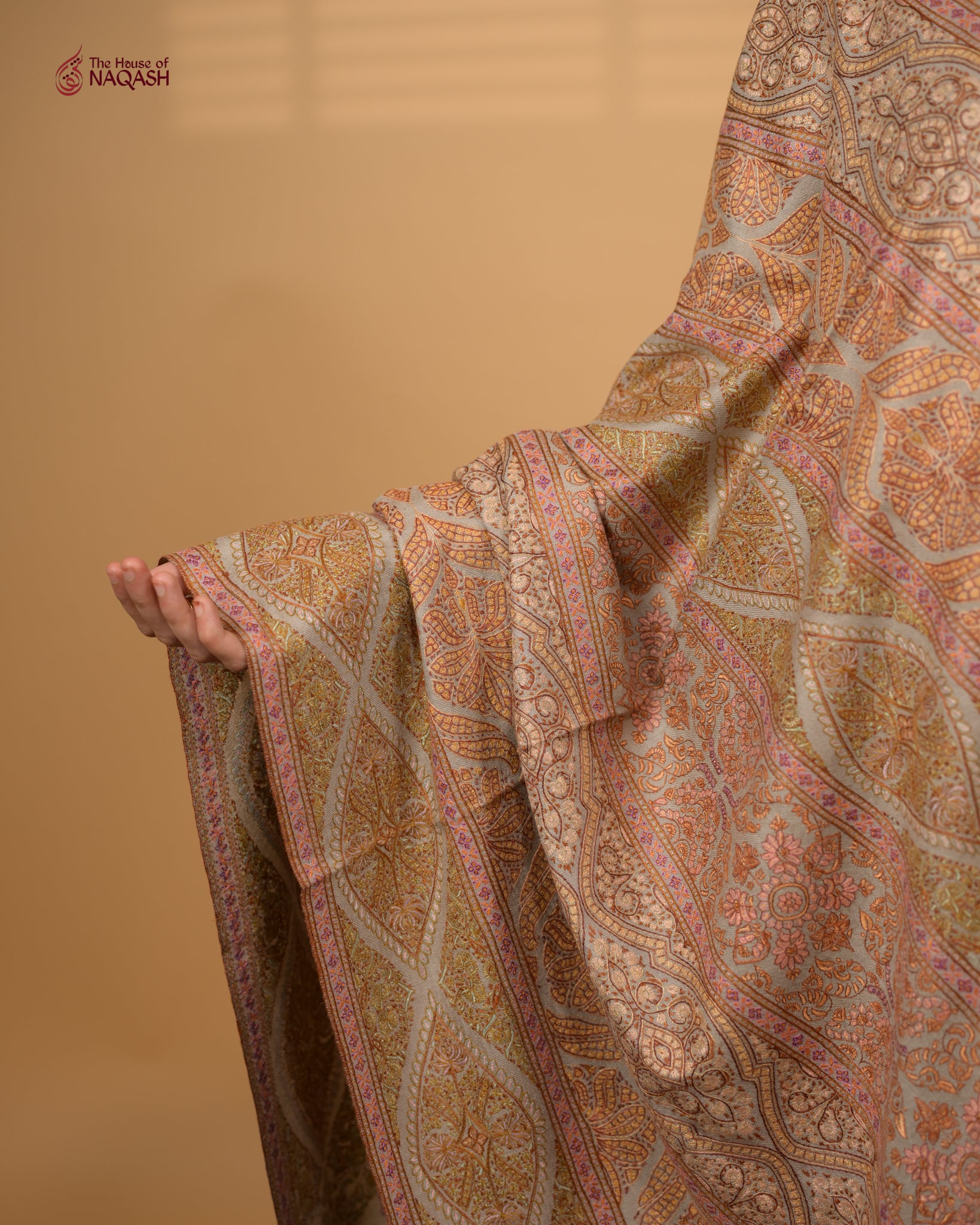
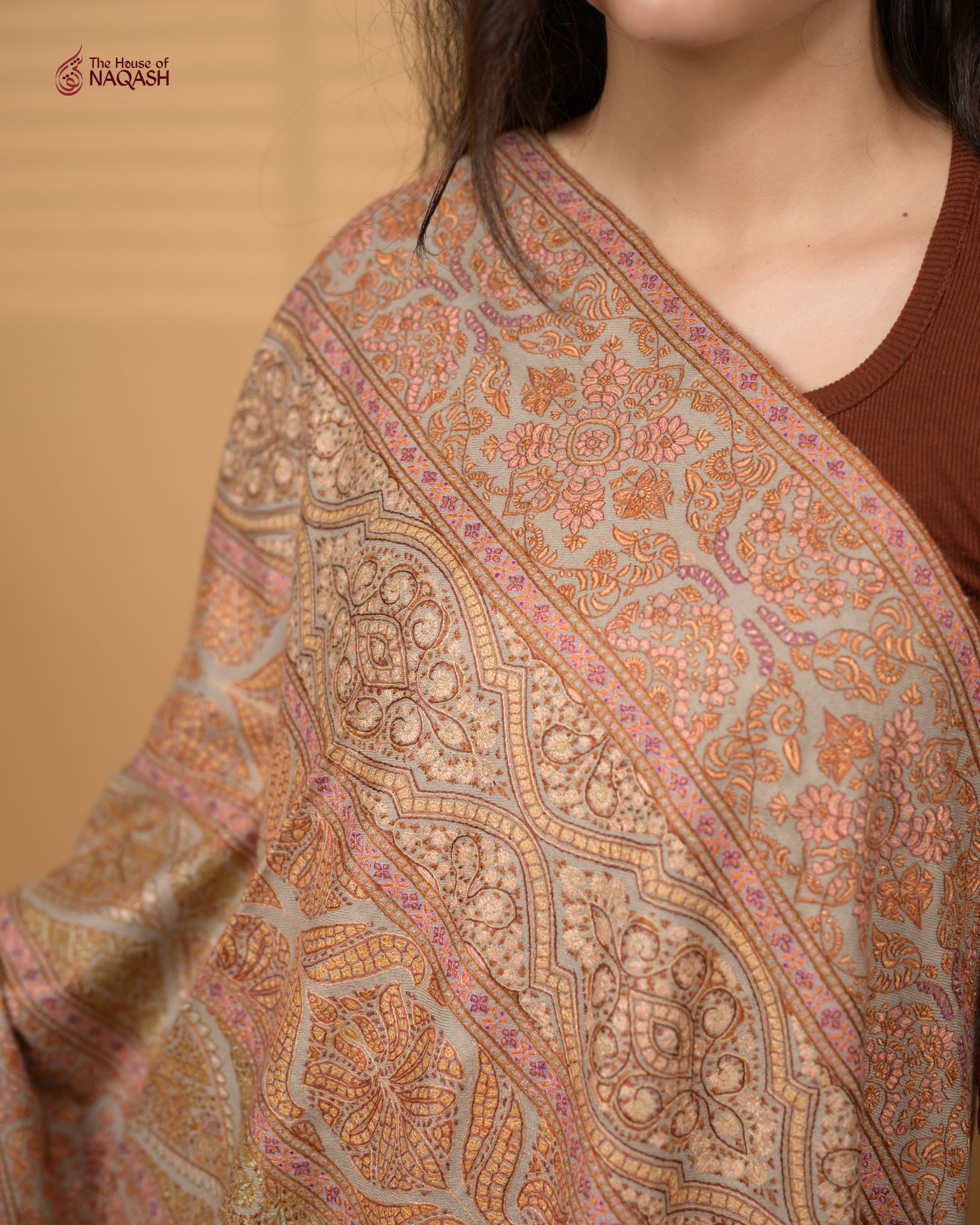
The Moonlit Gray is an exquisite masterpiece of indulgence, saturated in a rich, warm gray hue that captures the serene elegance of a Kashmiri night. This shawl is meticulously embellished with Sozni Kari, the legendary fine-needle embroidery of Kashmir, which weaves an intricate, all-over pattern across every inch of the fabric. Designed to reveal your most elegant self, this Jamawar piece is the definitive choice for the wedding season, transforming the wearer into a vision of opulence and historical beauty.
Handcrafted in Srinagar, Kashmir, India, this shawl is manufactured by The House of Naqash, upholding a technical standard of excellence established in 1952. Every fiber of this 352g masterpiece is GI Certified, ensuring 100% pure Pashm (Capra Hircus) with a laboratory-verified fineness of 14.08 microns. This hand-spun and hand-woven heritage piece has been tested and labeled at the CDI (Pashmina Testing & Quality Certification Centre), guaranteeing its unparalleled purity and authentic origin for the discerning global collector.
Specifications
- Craftsmanship: 1 Year of Meticulous Hand Weaving & Embroidery
- Authentic: Hand-spun & Hand-woven Cashmere
- Material: 100% Pure Pashmina
- Certification: GI Certified Authentic
- Ethical & Sustainable: Committed to responsible production.
- Care Instructions: Preserve beauty with dry cleaning only.
- Colour: Natural
- Dimensions: 80in x 40in (2m x 1m)
- Ready to Ship: Dispatched within 48 hours.
| NOTE: Slight artisanal variations are the unique signatures of the master weaver, certifying each piece as a one-of-a-kind, hand-woven heirloom. The actual colour of the product may vary from the images due to differences in monitor calibration and photographic lighting. |
Heritage Pashmina | Handmade in Srinagar, Kashmir, India
- Regular price
-
Rs. 189,987.00 - Regular price
-
- Sale price
-
Rs. 189,987.00
Tax Included
-
Hurry, only 1 item left in stock!
Couldn't load pickup availability

FAQs
What is the process involved in making a Pashmina Shawl?
The creation of a Pashmina shawl is a meticulous and time-consuming process that begins in the high-altitude Himalayan region of Changthang, Ladakh, where the Pashmina goat thrives at elevations of 14,750 feet. After collecting the pashm from the underbelly and neck of the goat, the journey of the shawl encompasses several detailed steps: dehairing, cleaning, teasing, combing, strengthening the fibers, spinning, warp preparation, weaving, cleaning, mending, dyeing, Naqashi designing, embroidery, and applying the finishing touches. This elaborate process, from the collection of pashm to the final embellishments, showcases the dedication and skill of the artisans involved in crafting a Pashmina Shawl.
Time involved in making a Pashmina Shawl?
The duration of the embroidery process for a Pashmina Shawl varies significantly, primarily influenced by the intricacy of the design. Simple patterns may only require three months to complete, while more complex designs demand a considerably longer time, potentially extending up to two years. This variance in time reflects the meticulous attention to detail and craftsmanship required to bring elaborate designs to life on the delicate fabric of a Pashmina Shawl.
What defines the luxurious texture of Pashmina?
Pashmina's luxury comes from the fine hair of Himalayan goats, spun into yarns that are soft, warm, and lightweight.
Why are Cashmere products considered a staple in high-end fashion?
Their exclusivity, softness, and the intricate process of production make them a high-end fashion staple.
What guidelines should one follow to extend the life of Pashmina items?
Gentle hand washing, drying flat, and moth-proof storage are key to preserving these fabrics.
How does one distinguish genuine Cashmere and Pashmina from imitations?
Authenticity is verified through texture, warmth, weave, and seller reputation and above all the certification by the Government under the stamp of GI tag
Can environmental sustainability be maintained in the production of Cashmere and Pashmina?
Yes, through responsible herding, ethical treatment of animals, and fair trade practices.
What makes Pashmina an exceptional gift choice?I
ts rarity, craftsmanship, and luxury status make it a thoughtful and elegant gift.
How do seasonal changes affect the use of Cashmere and Pashmina garments?
Their insulation and breathability make them suitable for year-round use.
How does the GI tag certify the authenticity of authentic Pashmina?
The GI tag ensures the product is authentically produced in its traditional region, guaranteeing quality and origin.
You May Also Like
-
Navy Paladar Pattern Stole
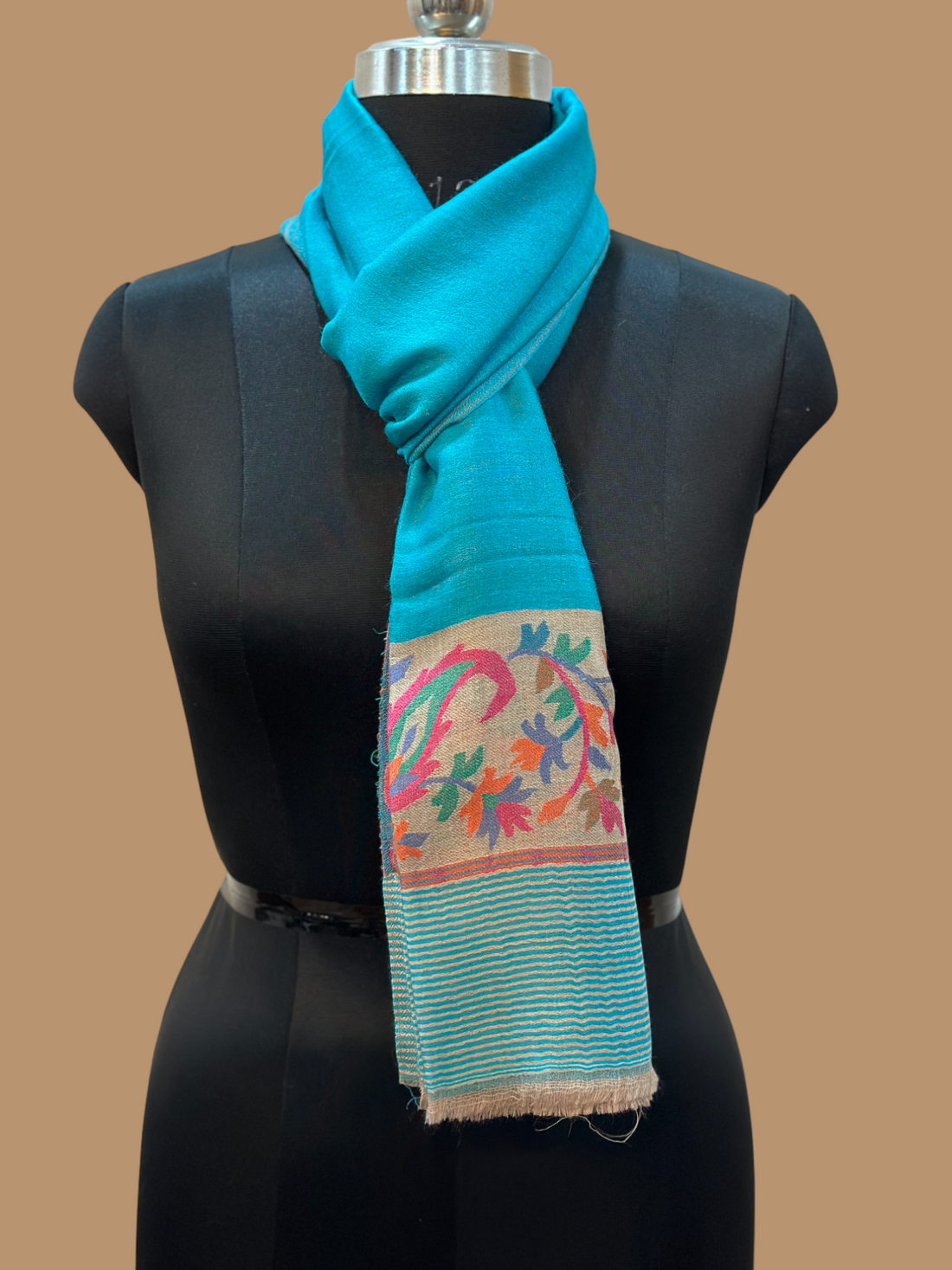 Navy Paladar Pattern Stole
- Regular price
-
Rs. 2,525.00 - Regular price
-
Rs. 2,800.00 - Sale price
-
Rs. 2,525.00
Quick view
-
Cherry Red cultural wrap
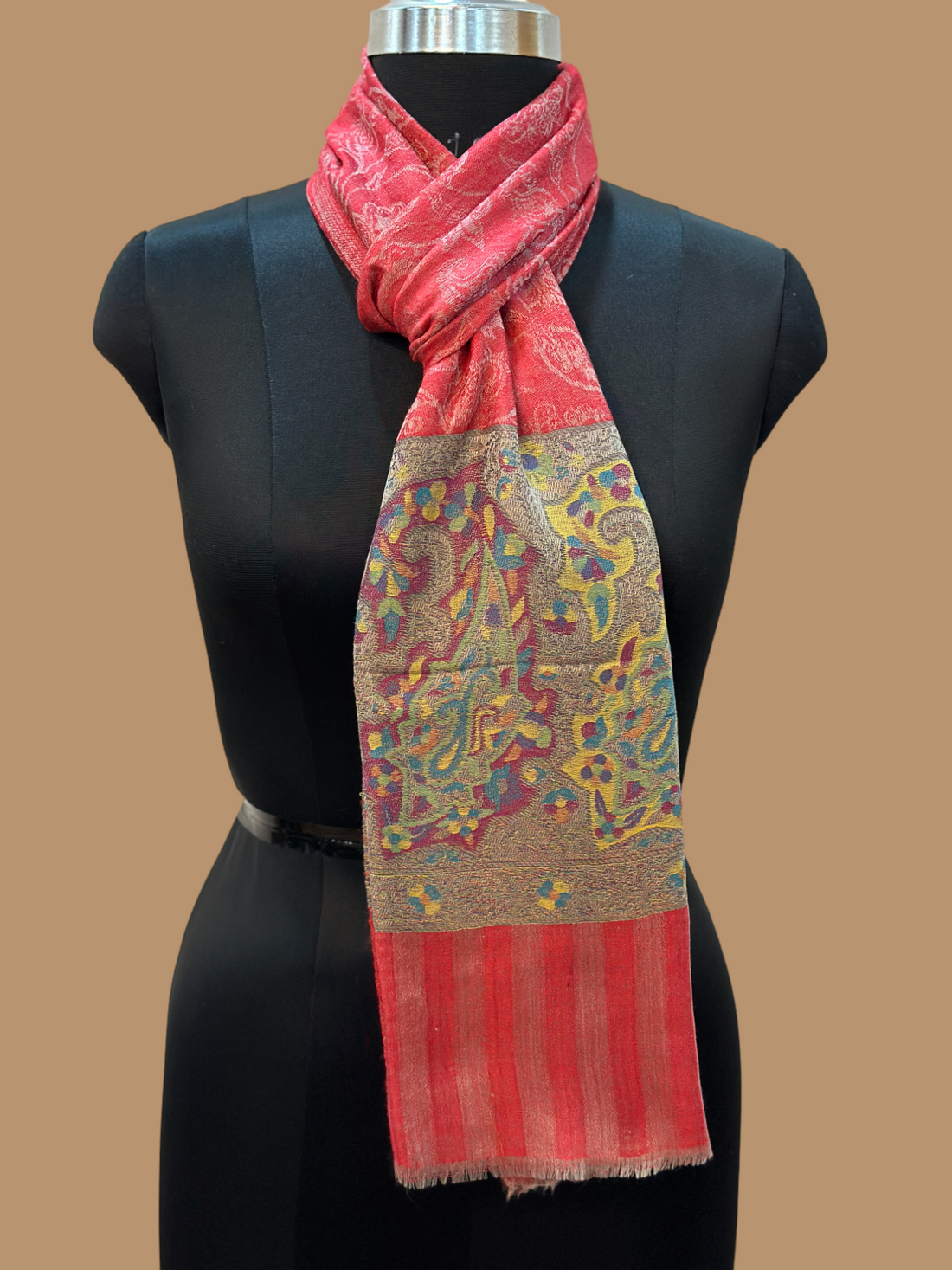 Cherry Red cultural wrap
- Regular price
-
Rs. 2,525.00 - Regular price
-
Rs. 2,800.00 - Sale price
-
Rs. 2,525.00
Quick view
-
Golden Pala Motif Stole
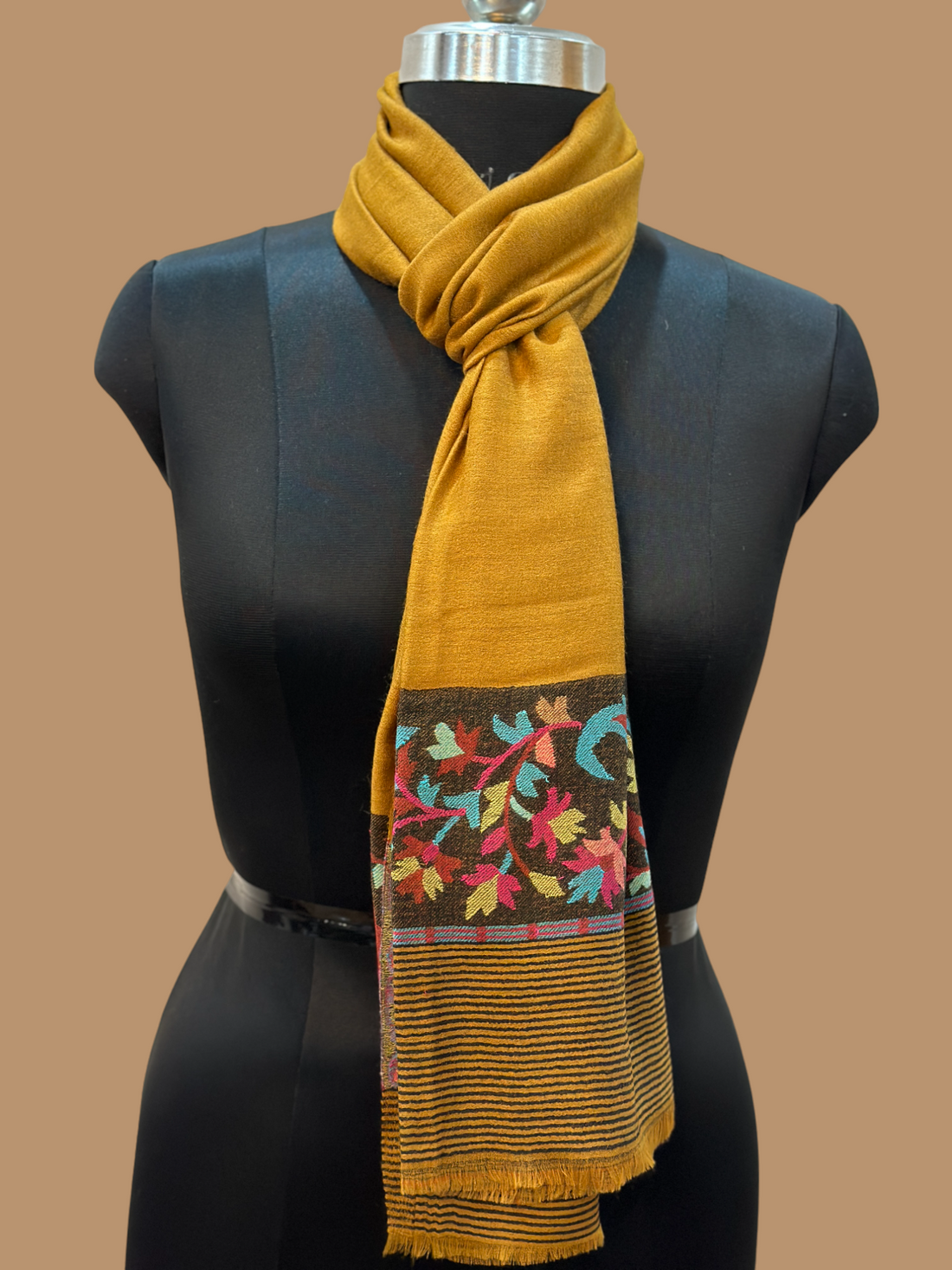 Golden Pala Motif Stole
- Regular price
-
Rs. 2,525.00 - Regular price
-
Rs. 2,800.00 - Sale price
-
Rs. 2,525.00
Quick view
-
Starlight Symphony Wrap
 Starlight Symphony Wrap
- Regular price
-
Rs. 3,270.00 - Regular price
-
Rs. 3,630.00 - Sale price
-
Rs. 3,270.00
Quick view
